
Blog

Painful Lumps on the Toes

Lumps on the toes can develop for several reasons and may vary in size, texture, and level of discomfort. Some lumps grow slowly over time while others appear suddenly after irritation or injury. A common cause is a bunion or bunionette, which forms when the toes shift and creates a bony bump. Ganglion cysts may also appear near the joints or tendons and feel like soft, fluid-filled swellings under the skin. Corns and callouses can sometimes look like small lumps because the skin thickens in response to pressure from shoes. In some cases, a lump may develop from arthritis in the toe joint, which can create bony enlargements that feel firm and tender. Other possibilities include gout deposits, small benign growths, or inflammation of the surrounding tissues. A podiatrist can examine the toe and may use imaging to determine the exact cause of the lump. Treatment depends on the diagnosis and may include footwear changes, padding, medication, or other corrective care. If you notice a lump on your toe, it is suggested that you make an appointment with a podiatrist.

Toe pain can disrupt your daily activities. If you have any concerns, contact Dr. Richard DiMario of Maine. Our doctor can provide the care you need to keep you pain-free and on your feet.

What Causes Toe Pain?

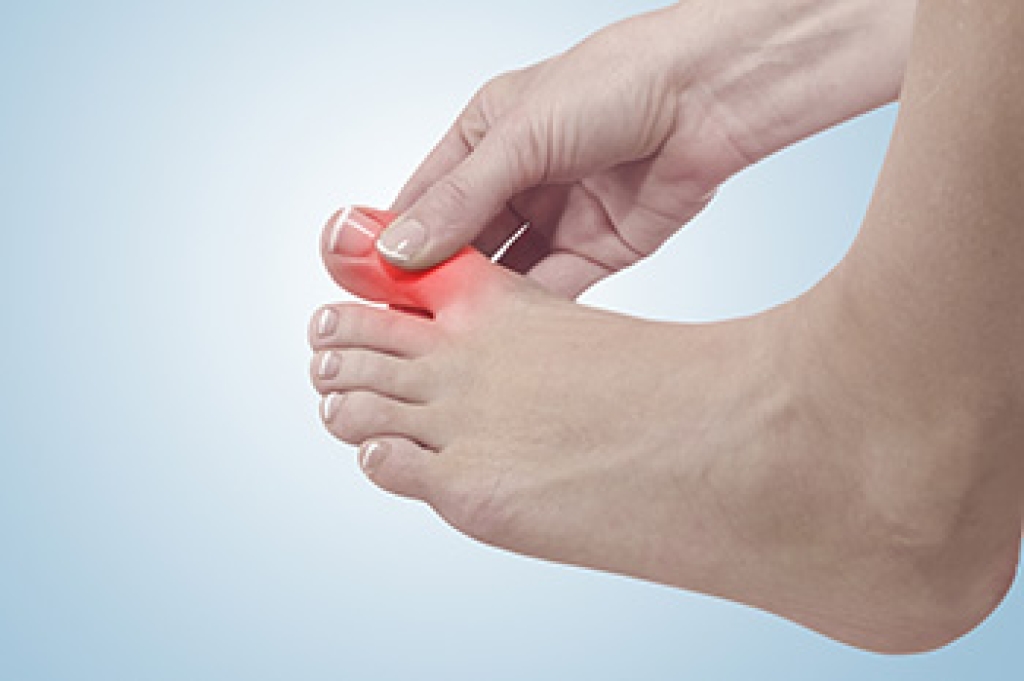
Most severe toe pain is caused due to a sports injury, trauma from dropping something heavy on the toe, or bumping into something rigid. Other problems can develop over time for various reasons.

Toe pain can be caused by one or more ailments. The most common include:

  • Trauma
  • Sports injury
  • Wearing shoes that are too tight
  • Arthritis
  • Gout
  • Corns and calluses
  • Hammertoe
  • Bunions
  • Blisters
  • Ingrown toenails
  • Sprains
  • Fractures (broken bones)
  • Dislocations

When to See a Podiatrist

  • Severe pain
  • Persistent pain that lasts more than a week
  • Signs of infection
  • Continued swelling
  • Pain that prevents walking

Diagnosis

In many cases the cause of toe pain is obvious, but in others, a podiatrist may want to use more advanced methods to determine the problem. These can range from simple visual inspections and sensation tests to X-rays and MRI scans. Prior medical history, family medical history, and any recent physical traumatic events will all be taken into consideration for a proper diagnosis.

Treatment

Treatments for toe pain and injuries vary and may include shoe inserts, padding, taping, medicines, injections, and in some cases, surgery. If you believe that you have broken a toe, please see a podiatrist as soon as possible.

If you have any questions please contact our office located in York, ME . We offer the newest diagnostic and treatment technologies for all your foot and ankle needs.

Read more about Toe Pain

Do Your Child's Feet Hurt?

Have your child's feet been examined lately? Healthy feet are happy feet. If your child is complaining of foot pain, it may be a sign of underlying problems.

Why Athlete’s Foot Is Seen More Often in Men

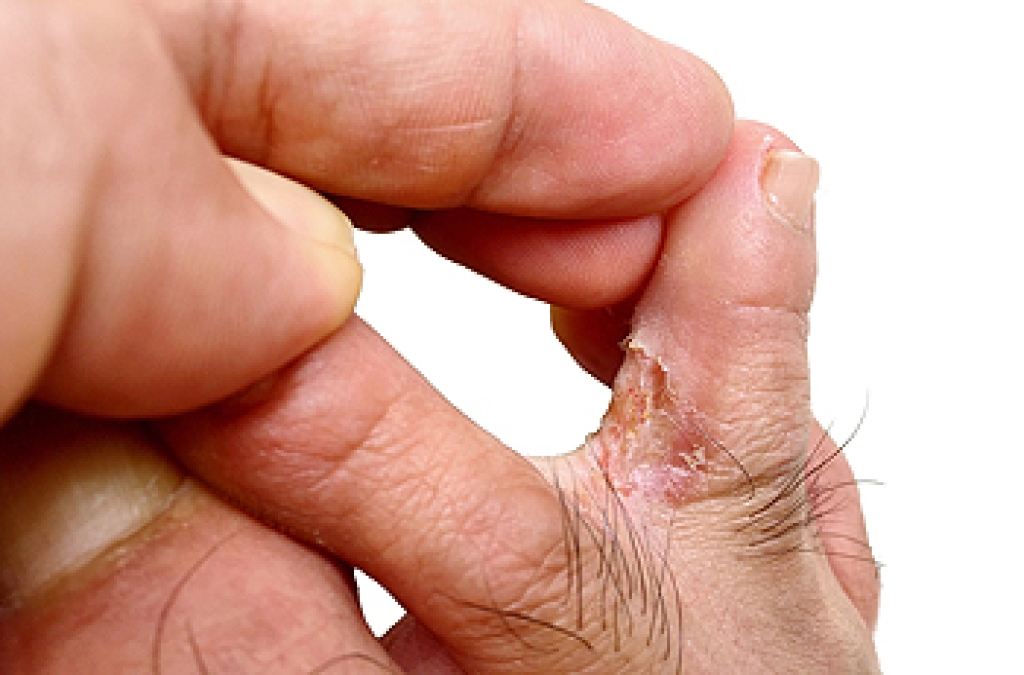
Tinea pedis, commonly known as athlete’s foot, is a fungal infection that affects the skin of the feet, especially the areas between the toes. The infection often causes itching, redness, peeling skin, and sometimes cracking or burning. The fungus grows best in warm, moist environments such as sweaty shoes, locker rooms, and public showers. Research shows that tinea pedis occurs more frequently in males than in females. One reason is that men often spend long hours in closed shoes for work, sports, or daily activities, which creates the damp conditions that fungi prefer. Men also tend to sweat more from the feet, which further encourages fungal growth. Repeated use of shared athletic spaces may also increase exposure. Good foot hygiene, wearing dry socks, and breathable footwear can help reduce risk. When foot itching, scaling, or irritation does not improve, it is suggested that you see a podiatrist for a proper diagnosis and appropriate treatment.

Athlete’s Foot

Athlete’s foot is often an uncomfortable condition to experience. Thankfully, podiatrists specialize in treating athlete’s foot and offer the best treatment options. If you have any questions about athlete’s foot, consult with Dr. Richard DiMario from Maine. Our doctor will assess your condition and provide you with quality treatment.

What Is Athlete’s Foot?

Tinea pedis, more commonly known as athlete’s foot, is a non-serious and common fungal infection of the foot. Athlete’s foot is contagious and can be contracted by touching someone who has it or infected surfaces. The most common places contaminated by it are public showers, locker rooms, and swimming pools. Once contracted, it grows on feet that are left inside moist, dark, and warm shoes and socks.

Prevention

The most effective ways to prevent athlete’s foot include:

  • Thoroughly washing and drying feet
  • Avoid going barefoot in locker rooms and public showers
  • Using shower shoes in public showers
  • Wearing socks that allow the feet to breathe
  • Changing socks and shoes frequently if you sweat a lot

Symptoms

Athlete’s foot initially occurs as a rash between the toes. However, if left undiagnosed, it can spread to the sides and bottom of the feet, toenails, and if touched by hand, the hands themselves. Symptoms include:

  • Redness
  • Burning
  • Itching
  • Scaly and peeling skin

Diagnosis and Treatment

Diagnosis is quick and easy. Skin samples will be taken and either viewed under a microscope or sent to a lab for testing. Sometimes, a podiatrist can diagnose it based on simply looking at it. Once confirmed, treatment options include oral and topical antifungal medications.

If you have any questions, please feel free to contact our office located in York, ME . We offer the newest diagnostic and treatment technologies for all your foot care needs.

Read more about How to Deal with Athlete's Foot

Easing Big Toe Joint Arthritis Without Surgery

Arthritis of the big toe joint can make walking painful and limit daily activity. This condition develops when the cartilage that cushions the joint wears down over time. As the joint becomes stiff and inflamed, patients may notice swelling, reduced motion, and discomfort when pushing off the foot. Many people find relief through non-surgical treatment options. Wearing supportive shoes with a stiff sole can reduce strain on the joint. Custom orthotics help control motion and improve alignment during walking. Anti-inflammatory medications may decrease pain and swelling. In some cases, corticosteroid injections provide temporary relief. Targeted exercises can improve flexibility and strengthen surrounding muscles, which supports better joint function. Early care often slows progression and improves comfort. Ignoring symptoms may lead to worsening stiffness and limited mobility. If you are experiencing ongoing pain or reduced movement in your big toe joint, it is suggested that you see a podiatrist for a proper diagnosis and appropriate treatment.

Arthritis can be a difficult condition to live with. If you are seeking treatment, contact Dr. Richard DiMario from Maine. Our doctor can provide the care you need to keep you pain-free and on your feet.

Arthritic Foot Care  

Arthritis is a term that is commonly used to describe joint pain.  The condition itself can occur to anyone of any age, race, or gender, and there are over 100 types of it.  Nevertheless, arthritis is more commonly found in women compared to men, and it is also more prevalent in those who are overweight. The causes of arthritis vary depending on which type of arthritis you have. Osteoarthritis for example, is often caused by injury, while rheumatoid arthritis is caused by a misdirected immune system.

Symptoms

  • Swelling
  • Pain
  • Stiffness
  • Decreased Range of Motion

Arthritic symptoms range in severity, and they may come and go. Some symptoms stay the same for several years but could potentially get worse with time. Severe cases of arthritis can prevent its sufferers from performing daily activities and make walking difficult.

Risk Factors

  • Occupation – Occupations requiring repetitive knee movements have been linked to osteoarthritis
  • Obesity – Excess weight can contribute to osteoarthritis development
  • Infection – Microbial agents can infect the joints and trigger arthritis
  • Joint Injuries – Damage to joints may lead to osteoarthritis
  • Age – Risk increases with age
  • Gender –Most types are more common in women
  • Genetics – Arthritis can be hereditary

If you suspect your arthritis is affecting your feet, it is crucial that you see a podiatrist immediately. Your doctor will be able to address your specific case and help you decide which treatment method is best for you.

If you have any questions please feel free to contact our office located in York, ME . We offer the newest diagnostic tools and technology to treat your foot and ankle needs.

Read more about How to Care for Your Arthritic Foot

Toenail Fungus and Podiatric Relief

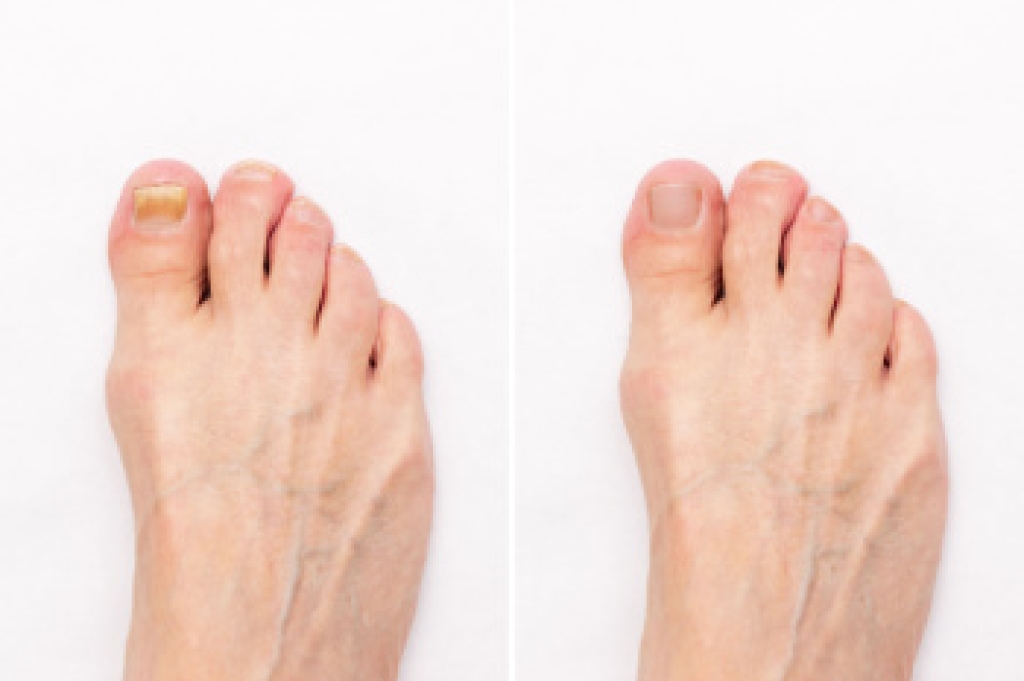
Toenail fungus, medically known as onychomycosis, is a common infection that develops when fungi enter the nail through small cracks in the nail or surrounding skin. Warm moist environments such as locker rooms and tight shoes create ideal conditions for fungal growth. The infection may begin with discoloration, thickening, or a brittle texture and can gradually worsen, if untreated. Diagnosis is confirmed through clinical evaluation and laboratory testing of nail samples to identify the specific organism. Risk factors include diabetes, poor circulation, weakened immunity, aging, and frequent exposure to damp areas. A podiatrist can provide an accurate diagnosis and offer effective treatment options to restore nail health. If you have signs of toenail fungus, it is suggested that you consult a podiatrist who can effectively treat this condition, which may include prescribed medication.

If left untreated, toenail fungus may spread to other toenails, skin, or even fingernails. If you suspect you have toenail fungus it is important to seek treatment right away. For more information about treatment, contact Dr. Richard DiMario of Maine. Our doctor can provide the care you need to keep you pain-free and on your feet.

Symptoms

  • Warped or oddly shaped nails
  • Yellowish nails
  • Loose/separated nail
  • Buildup of bits and pieces of nail fragments under the nail
  • Brittle, broken, thickened nail

Treatment

If self-care strategies and over-the-counter medications does not help your fungus, your podiatrist may give you a prescription drug instead. Even if you find relief from your toenail fungus symptoms, you may experience a repeat infection in the future.

Prevention

In order to prevent getting toenail fungus in the future, you should always make sure to wash your feet with soap and water. After washing, it is important to dry your feet thoroughly especially in between the toes. When trimming your toenails, be sure to trim straight across instead of in a rounded shape. It is crucial not to cover up discolored nails with nail polish because that will prevent your nail from being able to “breathe”.

In some cases, surgical procedure may be needed to remove the toenail fungus. Consult with your podiatrist about the best treatment options for your case of toenail fungus.  

If you have any questions please contact our office located in York, ME . We offer the newest diagnostic and treatment technologies for all your foot and ankle needs.
Read more about Treating Toenail Fungus
Connect with us